
When Is The Best Time to Go on an African Honeymoon?
The best time of year for an African Honeymoon differs by location, let's break it down month by month for you.
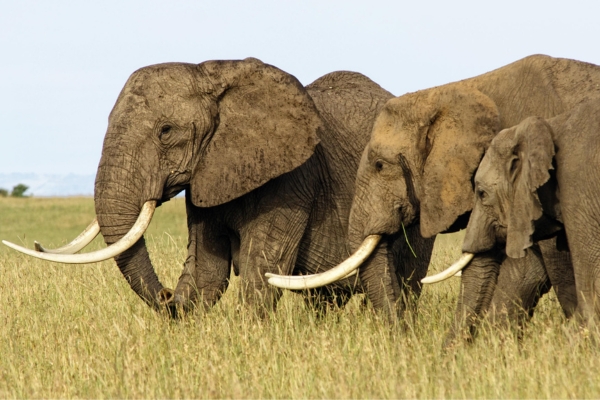
When to Plan an African Honeymoon
Africa's vast and varied landscapes offer a diverse array of experiences, making it a destination suitable for any time of year.
From the sprawling plains of the Serengeti to the thundering Victoria Falls, or the urban sophistication of Cape Town, your ideal African honeymoon will depend on what you wish to see and do. This guide outlines the best times to visit specific regions for different experiences, to help you plan your luxury African honeymoon.
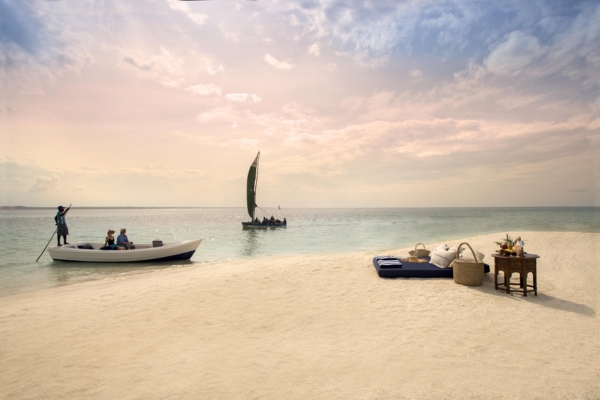
Honeymoon Safaris in January
January falls within the dry season for several East African nations, making it a favourable month for wildlife viewing and agreeable weather.
Kenya: Mount Kenya and Coastal Regions
Kenya presents a consistent option throughout the year, but January is well-suited for those seeking agreeable weather and potentially fewer crowds in certain areas. Clear skies can offer excellent conditions for ascending Mount Kenya, while the coastal regions, including Diani Beach and the Lamu Archipelago, benefit from sunshine, providing a relaxed counterpoint to safari or mountain activities.
Uganda: Queen Elizabeth National Park
January is often recommended for visits to Uganda. The weather is typically warm with minimal rain and clear skies, conditions which are particularly conducive to mountain gorilla and chimpanzee trekking. Queen Elizabeth National Park offers rewarding wildlife encounters set against diverse backdrops of savannah, forests, and volcanic craters.
This period allows couples to experience both active primate tracking and vehicle-based game drives.
Honeymoon Safaris in February
February is a pivotal month in East Africa, marked by significant wildlife events, and it is also the height of summer in Southern Africa.
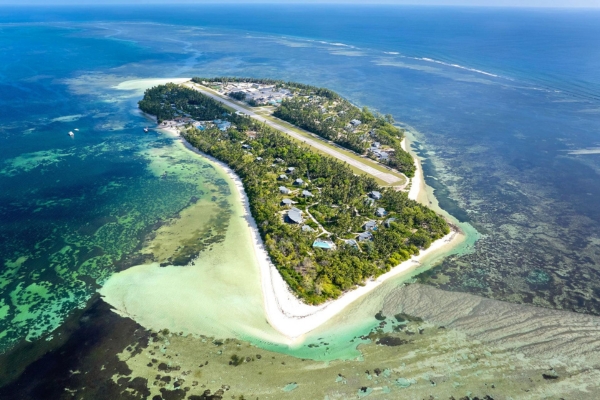
Seychelles Island Escape
The perfect destination to end a luxury safari experience with warm azure waters and white sandy beaches.
Tanzania: Serengeti National Park
In Tanzania, February coincides with the calving season in the southern Serengeti, a period of intense activity during the Great Migration. Thousands of wildebeest, zebras, and antelopes give birth, attracting predators and offering dramatic wildlife spectacles. Following a safari, the islands of Zanzibar provide a tropical beach escape. Here, warm temperatures and calm waters are ideal for relaxation, alongside opportunities to explore Stone Town's history and Swahili culture.
South Africa: Cape Town and the Garden Route
February is peak summer in Cape Town, characterised by long, warm days. The city's beaches, vineyards of the Cape Winelands, and Table Mountain are all readily accessible and enjoyable.
A drive along the Garden Route offers diverse scenery, from coastal cliffs to indigenous forests, with opportunities for activities such as hiking and whale watching, though whale season peaks later in the year. The weather during February supports outdoor pursuits across the region.
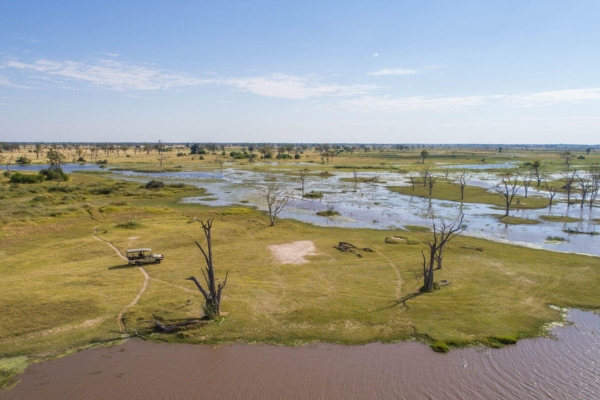
Honeymoon Safaris in March
March heralds the start of the green season in some areas, bringing lush landscapes, and impressive water volumes to a major natural wonder.
Botswana: Okavango Delta
March marks the beginning of the Okavango Delta's annual flood, as waters from Angolan highlands start to arrive. This transforms the region into a network of waterways and islands, creating unique opportunities for water-based safaris. Mechanised boats and traditional makoros offer silent navigation through channels, allowing close observation of animals such as hippos, crocodiles, and a variety of birdlife.
The nascent floodwaters contribute to a verdant environment and dispersed wildlife.
Zimbabwe and Zambia: Victoria Falls
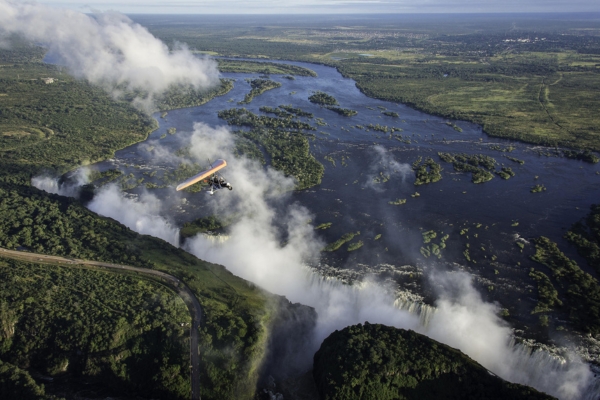
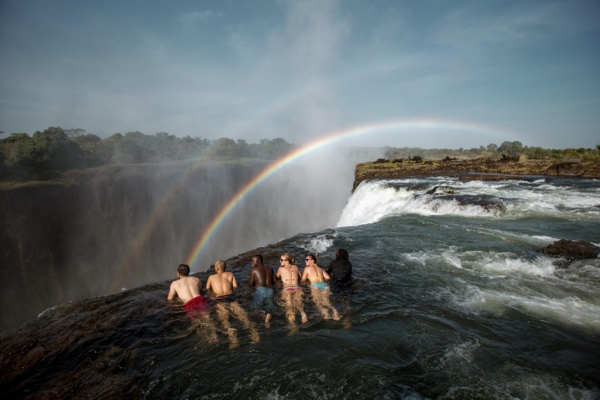
March is an excellent time to witness Victoria Falls at its most powerful, as the Zambezi River typically reaches high water levels. This results in the largest curtain of falling water, creating significant spray and an immersive experience. Helicopter flights provide panoramic views of the falls, while sunset river cruises offer a gentle way to observe the surrounding ecosystem.
Nearby national parks, such as Hwange in Zimbabwe and Chobe in Botswana (a short day trip), complement the experience with opportunities for land-based wildlife viewing.
Honeymoon Safaris in April
April offers pleasant conditions across several regions as the seasons transition, often coinciding with moderate temperatures and clear skies in specific destinations.
Namibia: Skeleton Coast and Damaraland
April signals the transition to Namibia's dry season, bringing clear skies and comfortable temperatures, especially for those exploring the rugged landscapes of the Skeleton Coast and Damaraland. The Skeleton Coast, known for its shipwrecks and seal colonies, provides a distinct experience of desert meeting ocean.
Inland, Damaraland is characterised by vast plains, ancient rock art, and unique desert-adapted wildlife such as elephants and rhinos. This period allows for extensive exploration of these remote areas without the intense heat of summer or the heavier rains of the wet season.
Zambia: South Luangwa National Park
The South Luangwa National Park in Zambia starts to dry out by April, making it a good month for the beginning of prime safari season. Water sources become fewer, concentrating wildlife around remaining rivers and lagoons.
This is an opportune time for walking safaris, a speciality of the park, which offer an intimate way to experience the bush and track animals on foot. The landscape, still recovering from the wet season, is often green and less dusty than later in the dry season.
Honeymoon Safaris in May
May typically brings cooler, drier weather to many safari destinations, marking the onset of the peak season in several East and Southern African parks.
Seychelles: Inner Islands beaches
The Seychelles experiences some of its most pleasant weather in May, following the hotter, wetter months. The trade winds are light, and the seas are generally calm, making it ideal for beach activities, snorkelling, and diving around the Inner Islands such as Mahé, Praslin, and La Digue.
These conditions are excellent for exploring the granite rock formations and clear waters that define the archipelago's coastal beauty. The moderate temperatures create a relaxing environment for a beach-focused honeymoon.
Zimbabwe: Mana Pools National Park
May is a favourable month to visit Mana Pools National Park in Zimbabwe, as the region dries out after the summer rains. The receding Zambezi River leaves nutrient-rich pools, attracting a high concentration of wildlife, particularly elephants, buffalo, and various antelope species.
The open woodlands allow for clearer sightings, and both walking safaris and canoe safaris are viable options. The weather is generally mild, making for comfortable game viewing conditions.
Honeymoon Safaris in June
June marks the height of the dry season in many Southern and East African safari areas, offering excellent conditions for wildlife viewing.
Kenya: Masai Mara National Reserve
June is an excellent month for a safari in Kenya's Masai Mara National Reserve. While the Great Migration is still making its way north from Tanzania, the Mara's resident wildlife population is substantial year-round. Predator activity is often high due to the drier conditions.
The weather is usually clear and cool in the mornings and evenings, warming up during the day. This period provides good opportunities for game drives and cultural visits with the Maasai community.
Great Migration Safairs
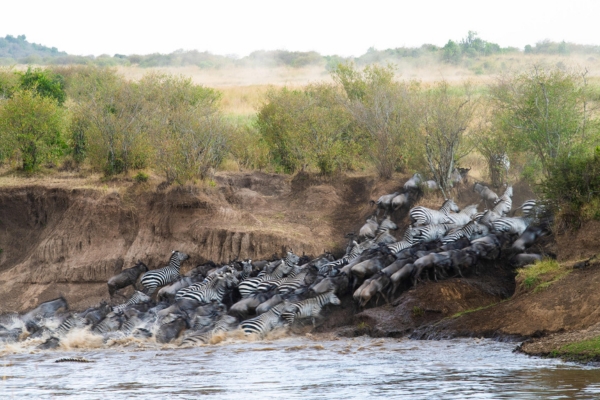
Witness more than 2 million animals as they go in search of greener grazing pastures on Africas endless viewing plains.
Botswana: Chobe National Park
Chobe National Park in Botswana, especially the Chobe Riverfront, is a prime destination in June. The dry season means animals congregate around permanent water sources, making sightings more predictable. Chobe is particularly known for its large elephant herds, which can be seen along the riverbanks.
Boat safaris on the Chobe River offer a different perspective for wildlife viewing, complementing traditional game drives. The moderate temperatures and clear skies contribute to a comfortable safari experience.
Honeymoon Safaris in July
July is a peak safari month across East Africa, coinciding with significant natural events and favourable weather.
Tanzania: Northern Serengeti and Ngorongoro Crater
In July, the Great Migration typically reaches the northern Serengeti and begins its dramatic river crossings into the Masai Mara. Witnessing this natural spectacle is a key draw. Concurrently, the Ngorongoro Crater, with its high concentration of wildlife within a relatively small area, offers consistent game viewing, including the Big Five. The weather is generally cool and dry, providing comfortable conditions for extended safari activities.
Rwanda: Volcanoes National Park
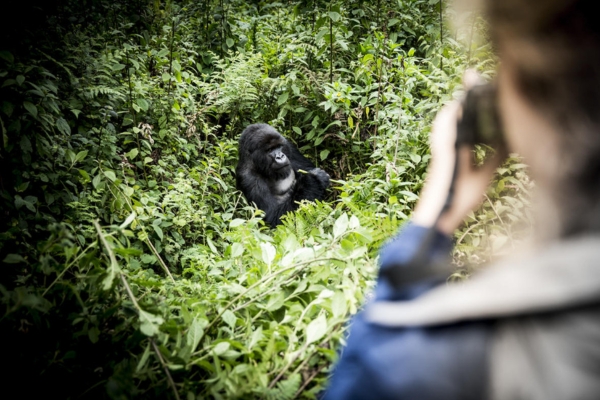
July is part of Rwanda's long dry season, making it an optimal time for gorilla trekking in Volcanoes National Park. The trails are typically drier and less challenging, improving access to the gorilla families. The cooler temperatures at higher altitudes make the trek more comfortable. This period offers reliable conditions for a significant wildlife experience, often combined with visits to the country's cultural sites.
Honeymoon Safaris in August
August continues to offer excellent safari opportunities in many parts of Africa, following the trends of July with favourable dry season conditions.
Kenya: Masai Mara and Laikipia Plateau
By August, the Great Migration is usually in full swing across Kenya's Masai Mara, with herds crossing the Mara River. This is a prime time for dramatic sightings. The conservation areas of the Laikipia Plateau also offer exceptional wildlife viewing, often with fewer visitors and a wider range of activities, including walking safaris and horse riding. The consistently dry weather ensures animals remain concentrated around water sources.
South Africa: Eastern Cape Game Reserves
While August is winter in South Africa, the Eastern Cape's private game reserves, being malaria-free, offer comfortable safari conditions. The vegetation is sparse, leading to better visibility for game viewing. The cooler mornings and evenings give way to mild, sunny days. This region is known for its diverse wildlife, including the Big Five, and provides a good option for those looking to avoid malarial areas or combine a safari with visits to the Cape.
Honeymoon Safaris in September
September is often considered one of the best months for safari across multiple regions, with dry conditions facilitating excellent wildlife viewing.
Tanzania: Ruaha National Park and Selous Game Reserve
September is ideal for exploring Tanzania's southern parks, Ruaha National Park and Selous Game Reserve (now Nyerere National Park).
These parks are in their dry season, meaning wildlife congregates around the Great Ruaha River and the Rufiji River, respectively. This leads to exceptional game viewing opportunities, with predators frequently observed around these water sources.
The relative remoteness of these parks often translates to a more private safari experience. Temperatures are warm but not excessively hot, and the low humidity makes for comfortable outdoor time.
Zambia: Lower Zambezi National Park
The Lower Zambezi National Park in Zambia also shines in September. The Zambezi River is a magnet for wildlife during this dry month, and the park is renowned for its diverse activities beyond traditional game drives.
Canoe safaris, walking safaris, and tiger fishing are all popular options, offering varied perspectives on the rich ecosystem. Elephant herds are a common sight along the riverbanks, alongside hippos and crocodiles. The clear skies and warm days make for pleasant exploration.
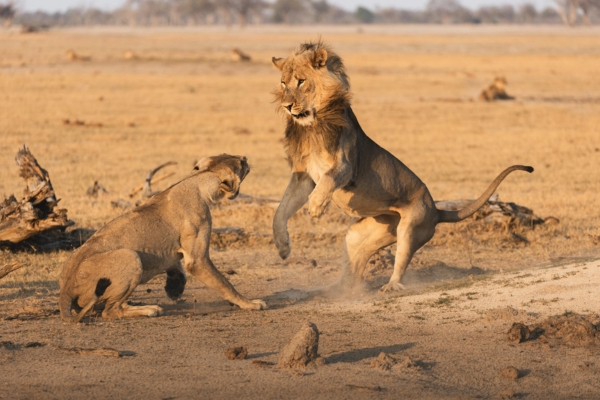
All-Inclusive Big 5 Safaris
Experience the brilliance of a privately guided Big 5 safari in the most wildlife-rich concessions in Africa.
Honeymoon Safaris in October
October generally marks the end of the long dry season in many areas, but still offers strong wildlife concentrations in specific regions before the short rains begin.
Botswana: Central Kalahari Game Reserve and Makgadikgadi Pans
October is one of the hottest months in Botswana, but this heat can lead to remarkable wildlife concentrations in the Central Kalahari Game Reserve and around the permanent water sources in the Makgadikgadi Pans region before the rains start.
Animals are drawn to these dwindling water points, offering intense game viewing. The stark, arid landscapes at this time present a different beauty. This period could also suit those interested in the unique desert environment and meerkats of the Makgadikgadi. However, be prepared for high temperatures.
Mozambique: Bazaruto Archipelago and Benguerra Island
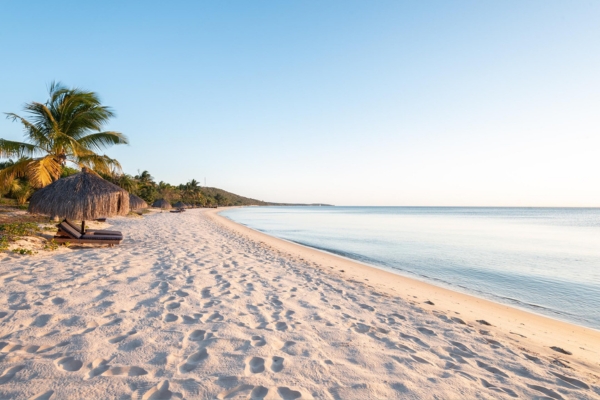
Off the coast of Mozambique, the Bazaruto Archipelago, including Benguerra Island, enjoys consistent warm weather and clear waters in October. This makes it an excellent destination for snorkelling, diving, and sailing.
The marine life is abundant, and the uncrowded beaches provide a serene setting for relaxation. It is a good choice for a post-safari beach component, offering a contrast to the dry bush of the interior.
Honeymoon Safaris in November
November sees the arrival of short rains in East Africa, bringing a refreshed landscape, and the start of the wet season in Southern Africa, which influences wildlife movements.
Kenya: Amboseli National Park
Amboseli National Park in Kenya experiences its short rains in November, which greens the landscape and refreshes the dust. However, precipitation is generally not continuous, allowing for good game viewing.
The iconic views of Mount Kilimanjaro, often clearer after the rains, provide a dramatic backdrop for the park's large elephant populations. The concentration of animals around swamps and permanent water sources remains high, making it a productive safari destination. Visitor numbers may also be lower than in peak dry months.
South Africa: Western Cape Winelands
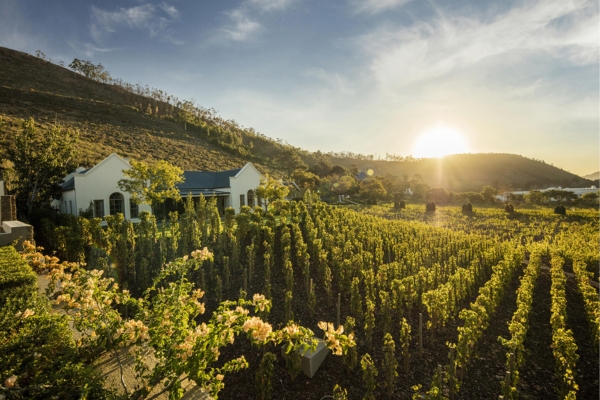
November is spring in the Cape Winelands, meaning vineyards are green and lush, and the weather is warm and pleasant. This is an ideal time for wine tasting, scenic drives, and enjoying the culinary scene in towns like Stellenbosch and Franschhoek.
The seasonal bloom adds a vibrant touch to the already picturesque region. It offers a sophisticated, relaxed honeymoon experience, compatible with a visit to Cape Town.
Honeymoon Safaris in December
December brings the start of the main rainy season across much of Southern Africa, while East Africa is often in its short dry season, post-short rains.
Tanzania: Gombe Stream and Mahale Mountains National Parks
December can be a good time for chimpanzee trekking in Gombe Stream and Mahale Mountains National Parks along Lake Tanganyika. While these parks generally have two rainy seasons, December often falls between the heaviest downpours, offering relatively drier conditions for forest walks.
The lake itself is usually calm, making boat access straightforward. Trekking for chimpanzees in their natural habitat offers a distinct and rewarding experience, particularly suited for active honeymooners.
South Africa: Kruger National Park and KwaZulu-Natal
December marks the start of summer and the wet season in Kruger National Park. This brings lush greenery, numerous migratory bird species, and often the birth of young animals. While visibility can be reduced due to dense foliage, the overall abundance of life is striking. Rates can be higher due to school holidays.
An alternative is KwaZulu-Natal, where coastal areas and game reserves like Phinda Private Game Reserve offer a blend of safari and beach, with turtles nesting on the coastline from November to January. The summer rains here are typically afternoon thunderstorms, which clear to leave sunny conditions.
Ultimately, the 'best' time to go on an African honeymoon is tailored to individual preferences regarding wildlife, climate, and preferred activities. Each month offers distinct advantages in different regions. Consulting with a specialist can help align these seasonal benefits with your particular vision for a honeymoon.