
Why Visit The Masai Mara in Kenya?
The wide open viewing plains of the Masai Mara in Kenya are a spectacle to behold. See the Big Five and the Great Animal Migration here, with a local cultural hospitality that will refresh your soul.
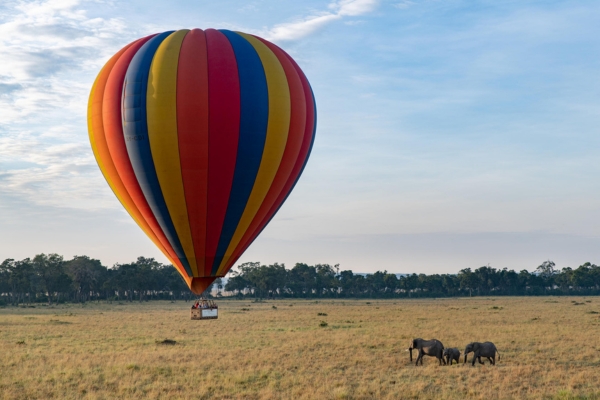
An Introduction to the Masai Mara Safari
The Masai Mara, also known as the Mara, is Kenya's premier wildlife destination. Its name, derived from the Maa language meaning 'spotted', refers to the landscape dotted with acacia trees, craters, and indentations.
This iconic reserve covers approximately 370,000 acres in southwestern Kenya, forming the northern reach of the larger Mara-Serengeti ecosystem. It is globally recognised for the annual Great Migration, where millions of wildebeest, zebra, and gazelles traverse the plains in search of greener grazing pastures. And the game of prey and predator continues.
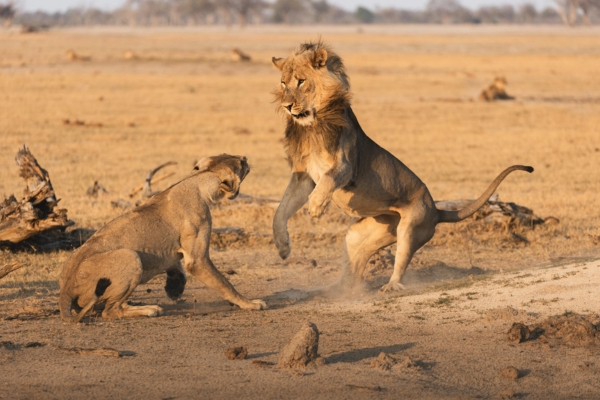
Beyond the spectacular migration, the Mara offers consistent and excellent wildlife viewing throughout the year. Its diverse habitats support a wide array of species, including healthy populations of big cats such as lions, leopards, and cheetahs.
For travellers seeking an authentic African safari experience, understanding the nuances of the Mara, from its geography to its varied accommodation options, is key.
Understanding the Masai Mara Landscape
The Masai Mara National Reserve shares unfenced borders with several private conservancies, which play a crucial role in conservation and community involvement.
These conservancies, often managed in partnership with the local Maasai people, offer a more exclusive safari experience, with fewer vehicles and specific activities like walking safaris and night drives not permitted within the main reserve.
Geographically, the Mara is characterised by its vast, open savannahs, punctuated by acacia trees and riverine forests along its major water sources: the Sand, Talek, and Mara Rivers.
These rivers are integral to the ecosystem, particularly during the migration when wildebeest face the perilous crossings. The western boundary is marked by the Esoit (Siria) Escarpment, part of the Great Rift Valley, offering dramatic views over the plains.
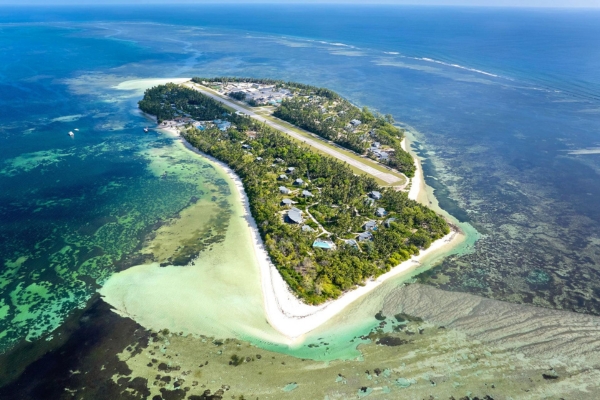
Seychelles Island Escape
The perfect destination to end a luxury safari experience with warm azure waters and white sandy beaches.
Costs of a Masai Mara Safari
The cost of a Masai Mara safari varies considerably based on several factors: the season, the level of luxury desired, the type of camp or lodge chosen, and ancillary activities.
Generally, peak season, which coincides with the Great Migration (July to October), will command higher prices due to increased demand. Off-peak travel can offer better value, often with sightings of resident wildlife.
For a four-star comfort experience, prices might range from approximately $300 to $550 per person per night. A four-star luxury safari could cost between $500 and $750 per person per night.
For guests seeking ultimate five-star luxury, prices typically start from $900 and can exceed $1,300 per person per night. These estimates commonly include accommodation and internal transfers, but specific inclusions will vary by operator and itinerary.
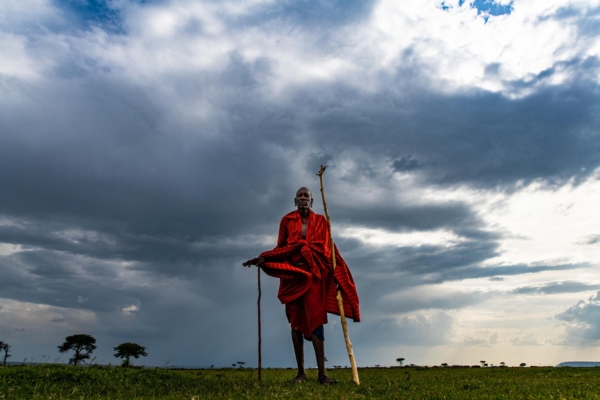
Accommodation Options in the Mara
The Masai Mara offers a diverse selection of accommodation, ranging from classic tented camps to permanent lodges and mobile camps that move with the migration. Your choice of where to stay will significantly influence your safari experience. The main National Reserve hosts a variety of lodges and camps, which can become quite busy during peak migration season.
The private conservancies bordering the reserve, such as the Mara Triangle, Olare Orok, Naboisho, and Ol Kinyei, often provide a more secluded environment. These conservancy camps typically offer a higher staff-to-guest ratio, more flexible safari activities, and a greater sense of privacy. Many also actively support local Maasai communities through land lease agreements and employment.
Recommended Camps and Lodges
- Governors' Camp (Masai Mara National Reserve): A well-established camp known for its prime location along the Mara River, offering excellent game viewing opportunities directly from camp.
- Olonana Lodge (Masai Mara National Reserve): A luxurious option set on a private stretch of the Mara River, offering refined comfort and a strong commitment to conservation.
- Rekero Camp (Masai Mara National Reserve): A seasonal camp known for its authentic safari atmosphere and exceptional access to migration river crossings, often described as having an old-school safari charm.
Masai Mara Safari Checklist
Planning your Masai Mara safari requires careful attention to detail. This checklist outlines essential considerations to ensure a smooth and enriching experience.
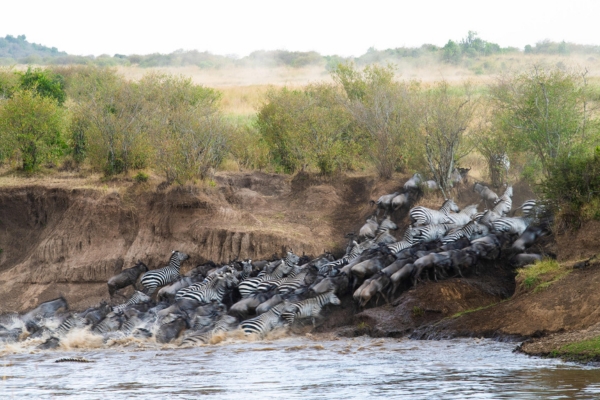
Great Migration Safairs
Witness more than 2 million animals as they go in search of greener grazing pastures on Africas endless viewing plains.
When to Travel
The Masai Mara offers excellent wildlife viewing year-round. However, the best time to witness the Great Migration is typically from July to October, when the herds arrive from the Serengeti and attempt the Mara River crossings. This period also coincides with the dry season, meaning animals congregate around water sources, making them easier to spot.
For those seeking a quieter experience and still abundant wildlife, the green season from November to June is also rewarding. The landscape is lush, birdlife is prolific, and resident animal populations remain high. Prices are also generally lower outside of the migration period.
Getting There
Most visitors to the Masai Mara fly into Jomo Kenyatta International Airport (NBO) in Nairobi. From there, connecting flights depart from Wilson Airport (WIL) to various airstrips within and around the Mara itself. These internal flights are operated by smaller bush planes, offering scenic views over the Kenyan landscape.
Road transfers are also an option from Nairobi, though these can be long, often taking 5-7 hours depending on specific camp locations and road conditions. Flying is generally preferred for comfort and to maximise safari time.
Activities
Game drives are the cornerstone of any Masai Mara safari, conducted in 4x4 vehicles with experienced guides. Daily morning and afternoon drives are standard. Beyond this, a hot-air balloon safari provides a unique perspective of the plains at sunrise, concluding with a champagne breakfast. Cultural visits to Maasai villages offer insight into traditional ways of life.
Many conservancy camps also offer walking safaris, allowing guests to explore the smaller flora and fauna on foot, accompanied by an armed ranger and Maasai guide. Night drives, another conservancy exclusive, provide opportunities to spot nocturnal animals seldom seen during the day.
What to Pack
Pack light, neutral-coloured clothing suitable for warm days and cooler evenings. Layers are advisable, as temperatures can fluctuate significantly. Essential items include a wide-brimmed hat, sunglasses, high-SPF sunscreen, insect repellent, and comfortable closed-toe shoes. Binoculars and a good camera with a telephoto lens are indispensable for wildlife viewing.
Most lodges and camps offer complimentary laundry services, which can help in reducing the amount of luggage required. Soft-sided luggage is often recommended for light aircraft transfers due to space constraints.
All-Inclusive Big 5 Safaris
Experience the brilliance of a privately guided Big 5 safari in the most wildlife-rich concessions in Africa.
Health and Safety
Consult your doctor well in advance of travel regarding necessary vaccinations (such as Yellow Fever) and malaria prophylaxis. The Mara is a malaria-risk area, so precautions are essential. Carry any personal medications, and consider a basic first aid kit. Drinking bottled water is always advised.
For safety in the bush, always follow your guide's instructions. Wildlife is wild and should be respected from a safe distance. Most camps are unfenced, meaning animals can wander through, so always request an escort after dark. Travel insurance covering medical emergencies and safari activities is highly recommended.
Combining Your Safari
A Masai Mara safari can be seamlessly combined with other Kenyan or East African destinations. Popular extensions include a relaxing coastal escape to Diani Beach or Zanzibar, or a visit to Amboseli National Park for iconic views of Mount Kilimanjaro and large elephant herds. For those interested in primate trekking, combining the Mara with a gorilla safari in Uganda or Rwanda is a possibility.
For a comprehensive Great Migration experience, a dual-destination safari including the Serengeti National Park in Tanzania allows you to follow the herds across their full migratory path, depending on the time of year.
The Masai Mara Experience
The Masai Mara embodies the quintessential African safari. From the thunderous river crossings of the Great Migration to intimate encounters with leopards in acacia thickets, it is a place of raw beauty and constant change. Whether you are a seasoned safari-goer or planning your first trip, the Mara offers a depth of experience that is truly unparalleled.
Tailor Africa specialises in creating bespoke safari itineraries that cater to your specific interests, ensuring that every detail is considered. Our aim is to provide a safari that is not just a holiday, but a profound connection with Africa's wilderness and cultures. We look forward to assisting you in planning your Masai Mara adventure.