
Why Should I Visit South Africa?
South Africa offers the best value Big five safari experience and boasts Cape Town, the food and wine capital of Africa, and top rated city in the world to visit.
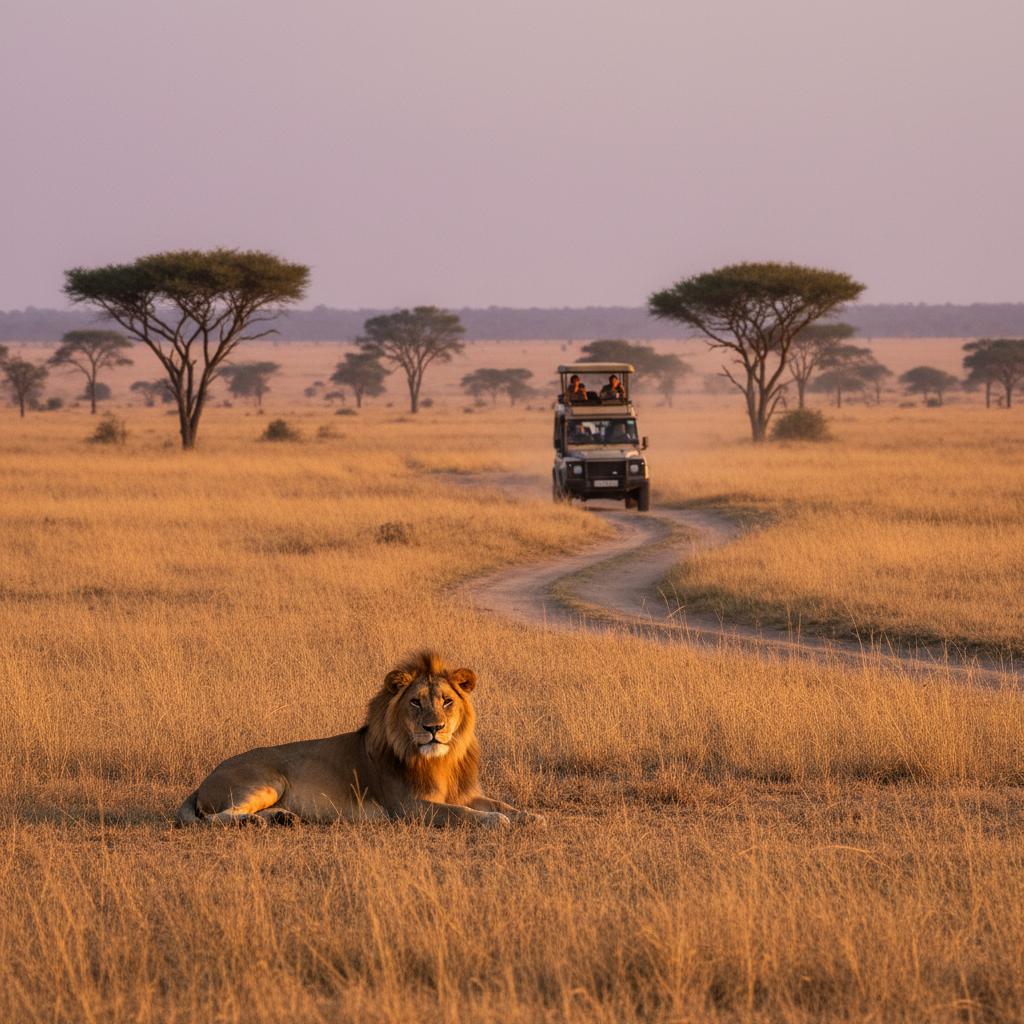
Why Consider South Africa in 2026?
South Africa presents a compelling destination for those seeking diverse experiences, from Big Five wildlife encounters to breathtaking coastlines, cuisine and winelands, and 8 blue flag beaches in Cape Town alone.
It is a country where a morning safari can lead into an evening of fine dining, set against backdrops of dramatic coastlines and ancient mountain ranges. For well-travelled individuals and families, you'll be pleasantly surprised by the hospitality and luxury properties.
Safari Opportunities
For many, a safari is the primary draw of South Africa. The country offers some of the most consistent big game viewing in Africa. Kruger National Park, alongside its bordering private reserves like Sabi Sand and Thornybush, provides particularly good chances to see lion, leopard, elephant, rhino, and buffalo. Other notable malaria-free reserves, such as Madikwe Game Reserve and Addo Elephant National Park, cater especially well to families with younger children, offering expertly guided wildlife explorations without health concerns.
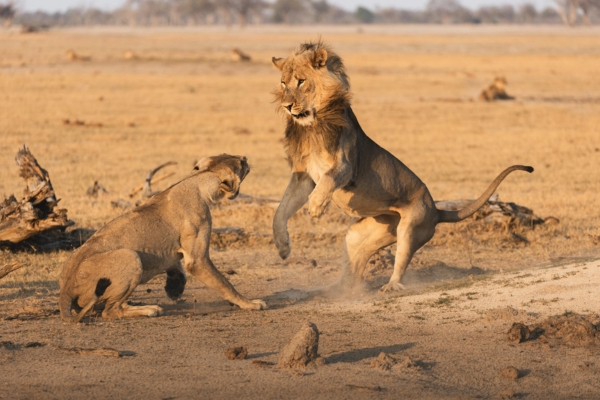
All-Inclusive Big 5 Safaris
Experience the brilliance of a privately guided Big 5 safari in the most wildlife-rich concessions in Africa.
Cape Town and the Western Cape
Cape Town’s distinctive silhouette, dominated by Table Mountain, offers a blend of natural beauty and urban sophistication. The city’s beaches, from the lively shores of Camps Bay to the penguin colonies of Boulders Beach, provide varied coastal experiences. Beyond the city, the Cape Winelands, including Stellenbosch and Franschhoek, are renowned for their vineyards and culinary scene. Here, historic estates host tastings, and restaurants serve contemporary South African cuisine.
Coastal and Rural Landscapes
The Garden Route is a stretch of coastline known for its indigenous forests and charming towns. It offers scenic drives and opportunities for outdoor activities such as hiking and exploring marine environments. Further east, KwaZulu-Natal’s coastline offers warmer Indian Ocean waters and further opportunities for beach-focused relaxation. The Drakensberg Mountains provide a dramatic inland contrast, with opportunities for hiking and exploring the region’s natural beauty.
A Rich and Complex History
South Africa’s history is extensive and multi-layered. Sites like the Cradle of Humankind in Maropeng trace humanity’s origins, showcasing ancient hominid fossils. Later periods are explored at the KwaZulu-Natal Battlefields, where guides recount the conflicts of the 19th century. Robben Island, off the coast of Cape Town, stands as a profound reminder of the apartheid era and Nelson Mandela’s incarceration. These historical points offer insight into the country’s past and its path to democracy.
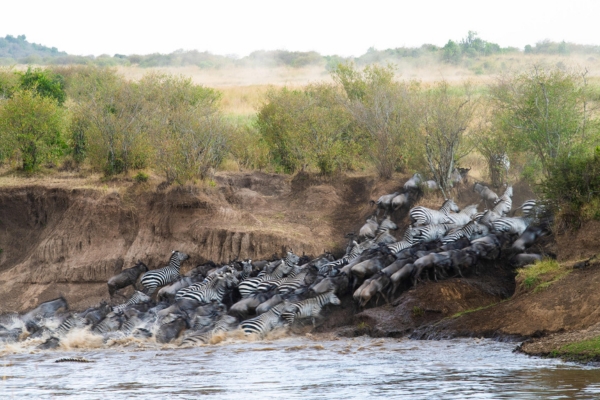
Great Migration Safairs
Witness more than 2 million animals as they go in search of greener grazing pastures on Africas endless viewing plains.
Diverse Cultural Expressions
South Africa is shaped by a variety of cultures and languages. This diversity is evident in its cuisine, music, and daily life. In cities like Johannesburg and Cape Town, visitors can experience this through Township tours, visits to local markets, or by exploring diverse neighbourhoods. These experiences provide a deeper understanding of the country's social fabric and the resilience of its people.
Culinary Arts and Wine
South Africa has developed a strong reputation for its food and wine. The Cape Winelands, in particular, are internationally recognised. Beyond wine, South African cuisine blends influences from various traditions, creating a dynamic food scene found in both casual eateries and high-end restaurants across the country. Cities like Cape Town and Johannesburg are hubs for culinary innovation, with a focus on fresh, local ingredients.
Climate Considerations
The country’s climate is generally mild, with distinct regional variations. The Western Cape experiences dry, warm summers from November to March, ideal for beach and wine touring. The Kruger region has a summer rainy season, characterised by afternoon thunderstorms that clear to bright conditions, and a dry winter from May to October, which is excellent for wildlife viewing. This allows for comfortable travel at different times of the year, depending on specific interests.
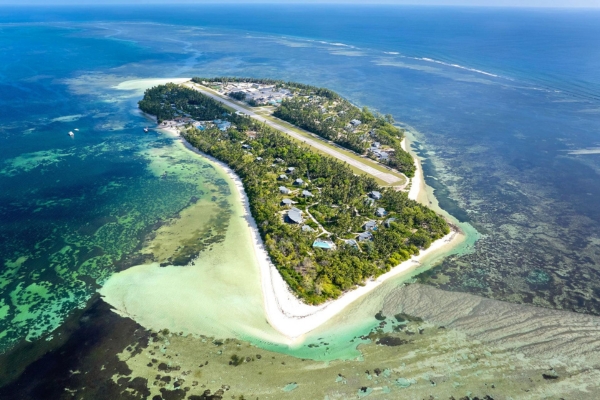
Seychelles Island Escape
The perfect destination to end a luxury safari experience with warm azure waters and white sandy beaches.
Travel Accessibility and Infrastructure
South Africa is well-served by international flights to airports in Johannesburg, Cape Town, and Durban. Once within the country, a network of well-maintained roads connects major centres and attractions, making self-drive touring a practical option for many. Connectivity, with widespread mobile phone coverage and Wi-Fi access, also generally meets international standards, facilitating ease of travel and communication.
Family-Friendly Experiences
South Africa is genuinely accommodating for families with children of all ages. Many safari lodges offer dedicated children’s programmes, including guided bush walks and educational activities tailored for younger guests. Malaria-free safari regions further simplify travel planning for families. Beyond safaris, the coastal areas and regions like the Garden Route provide a range of activities, from outdoor adventures to cultural engagements, designed to appeal to varied age groups.
South Africa offers a blend of spectacular wildlife, rich history, varied cultures, and impressive culinary credentials. Its established tourism infrastructure and diverse landscapes make it a compelling choice for discerning travellers in 2026.